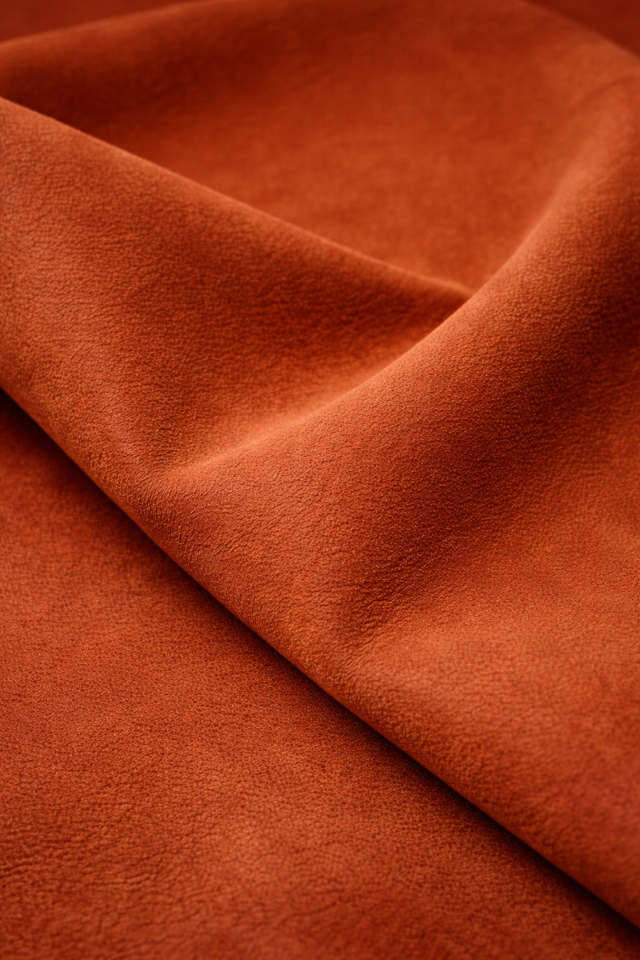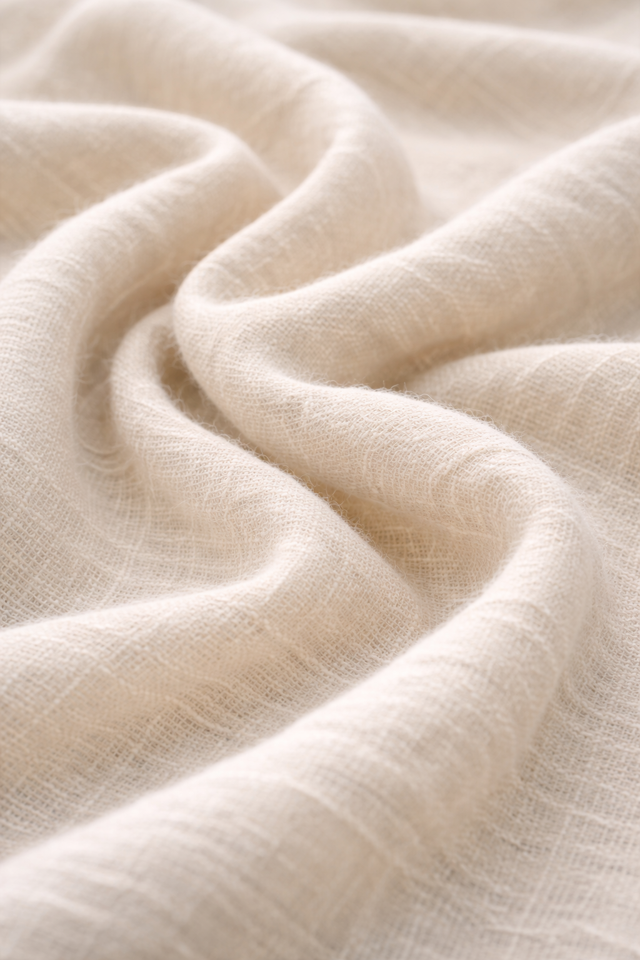
Cotton
Natural plant fibre composed primarily of cellulose, obtained from the seed hairs of Gossypium plants. Breathable, soft, and widely used across all garment types.
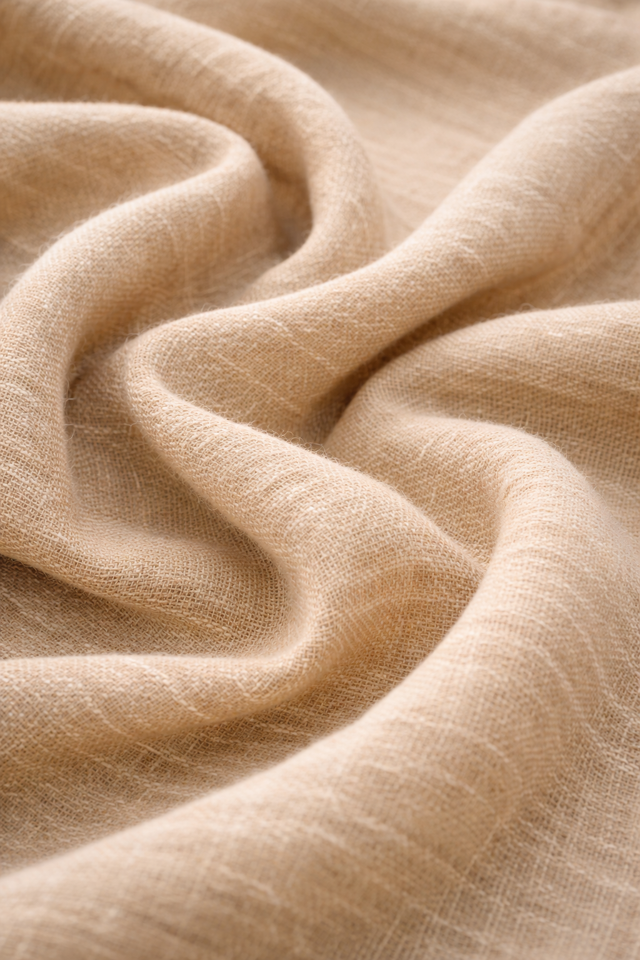
Linen
Natural plant fibre from the bast of the flax plant (Linum usitatissimum), composed mainly of cellulose. Strong, cool, and prone to characteristic creasing.
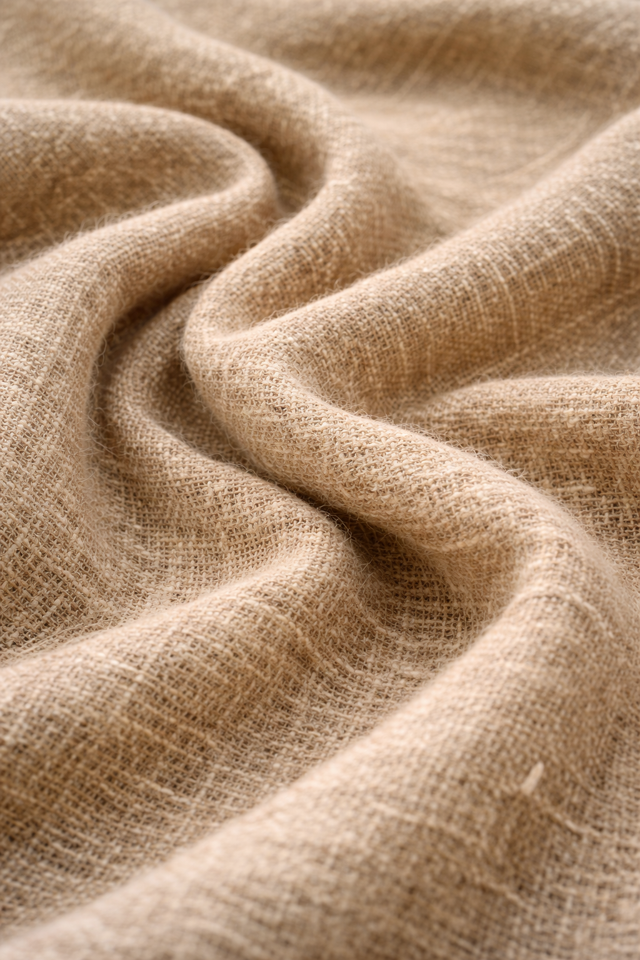
Hemp
Natural plant bast fibre from Cannabis sativa stems, composed primarily of cellulose. Durable, coarse, and used for sturdy textiles and industrial materials.
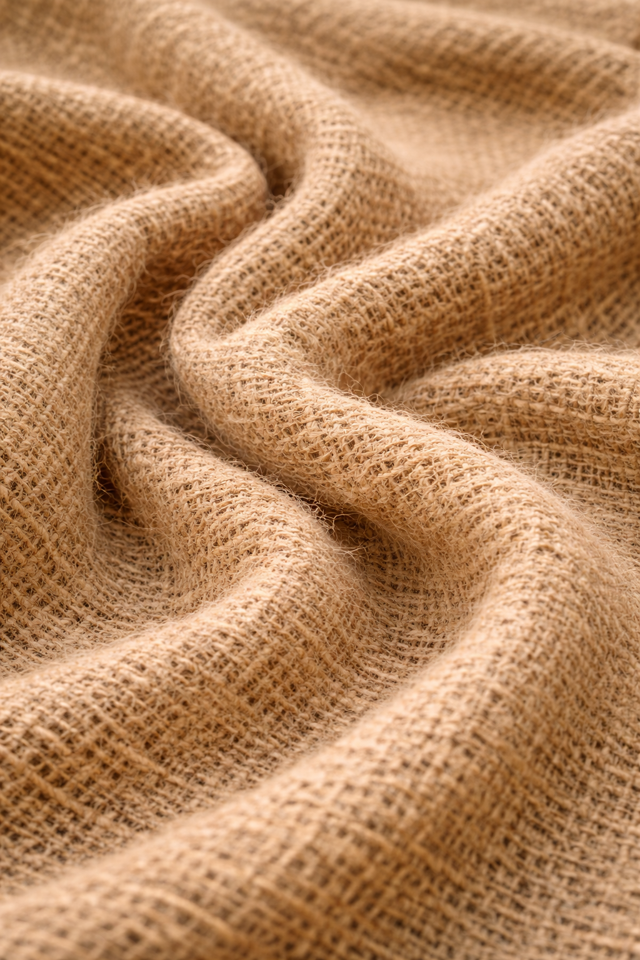
Jute
Natural plant fibre from the bast of Corchorus plants. A lignocellulosic bast fibre used mainly for coarse textiles and industrial materials.
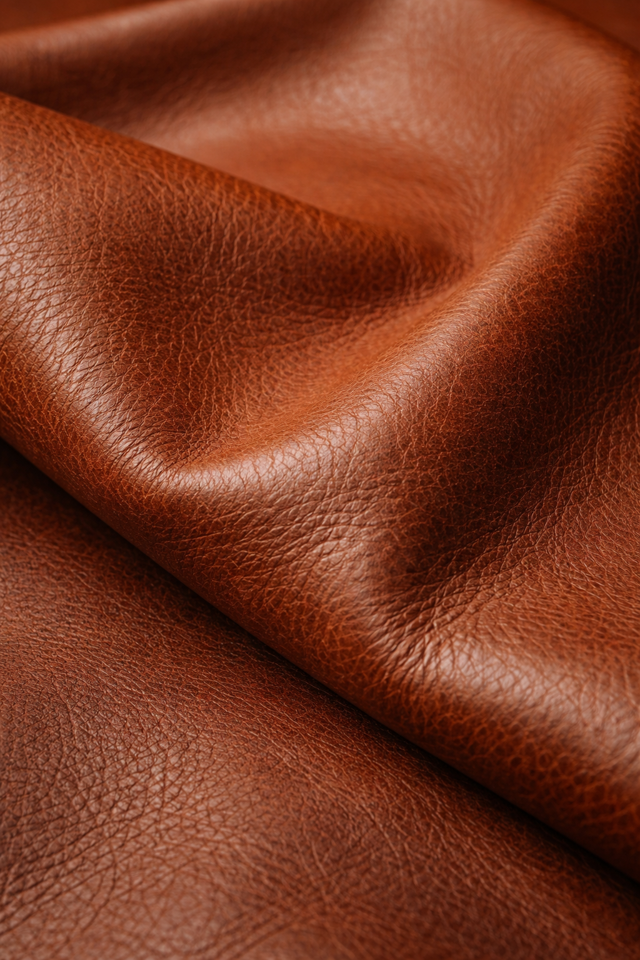
Sheep Wool
Natural animal fibre composed of keratin, obtained from the fleece of domestic sheep (Ovis aries). Insulating, elastic, and moisture-wicking.
Cashmere
Fine undercoat (down) fibre obtained from certain breeds of goats. Exceptionally soft, lightweight, and warm — considered a luxury fibre.
Mohair
Natural fibre composed of keratin, obtained from the fleece of Angora goats. Known for its smooth surface, luster, and durability.
Alpaca
Obtained from alpacas (Vicugna pacos), a South American camelid. Soft, warm, and hypoallergenic — naturally lanolin-free.
Camel
Fine undercoat fibre from the Bactrian camel. Naturally insulating and soft, typically used undyed in its characteristic tan color.
Yak
Fine fibre from the undercoat of domesticated yaks (Bos grunniens). Comparable to cashmere in softness, with strong insulating properties.
Silk
Natural animal protein fibre composed mainly of fibroin, produced by silkworm larvae (Bombyx mori) during cocoon formation. Lustrous, smooth, and strong.
Most commonly produced from the hides of cattle, pigs, sheep, and goats. Grade refers to which layer of the hide is used and how it is processed.

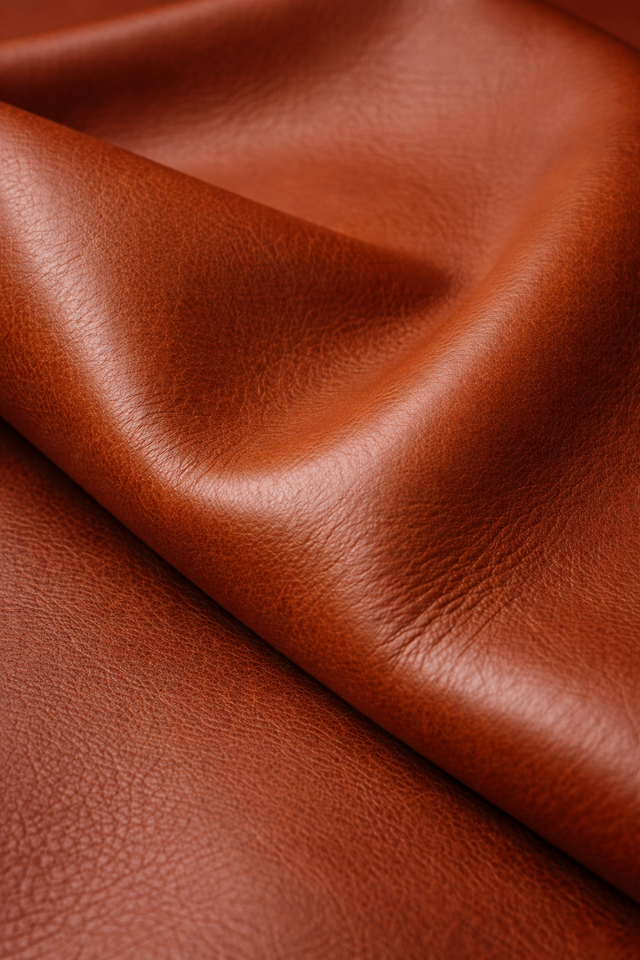
Full-grain leather
Uppermost layer of the hide with the natural grain fully preserved. Retains original collagen fibre structure — maximum strength, durability, and develops a patina over time.

Top-grain leather
Upper hide layer with the grain partially corrected (sanded or buffed). More uniform surface than full-grain, somewhat reduced durability.

Split leather
Fibrous lower layer of the hide after the grain is removed. Weaker than grain layers; often used for suede or as a backing material.

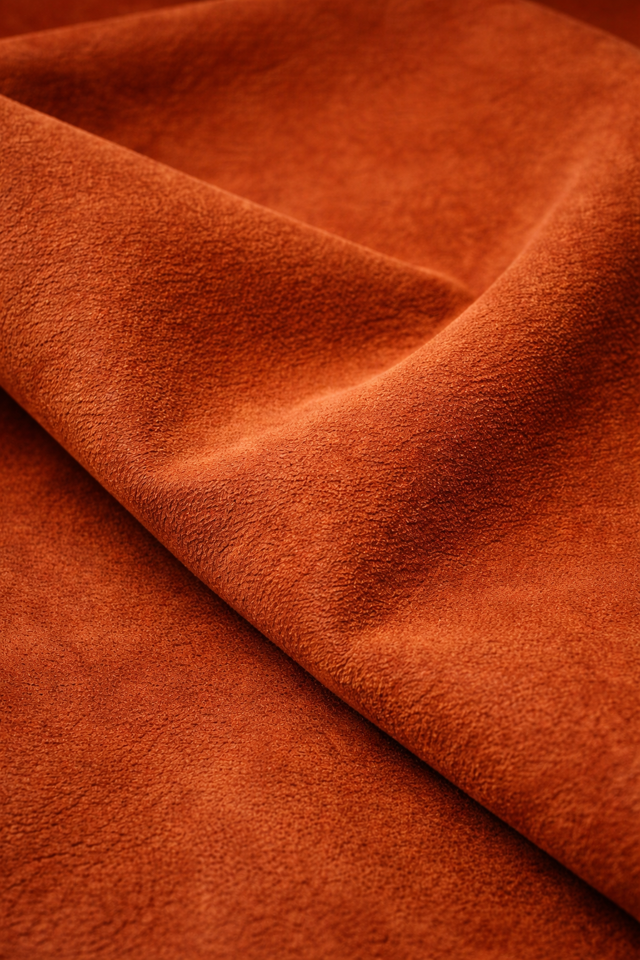
Suede
Split leather or the flesh side intentionally sanded to create a nap. Soft, matte texture — less water-resistant than smooth leather.

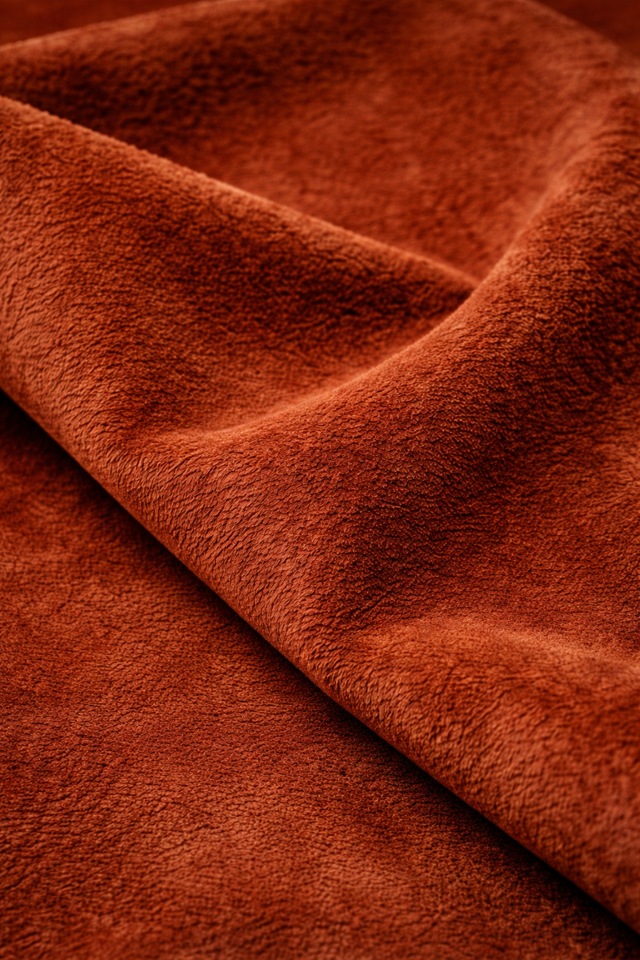
Velour leather
Suede-type leather with a relatively long, soft nap, produced by deeper sanding of the flesh side or split layer. Plush texture, softer than standard suede.

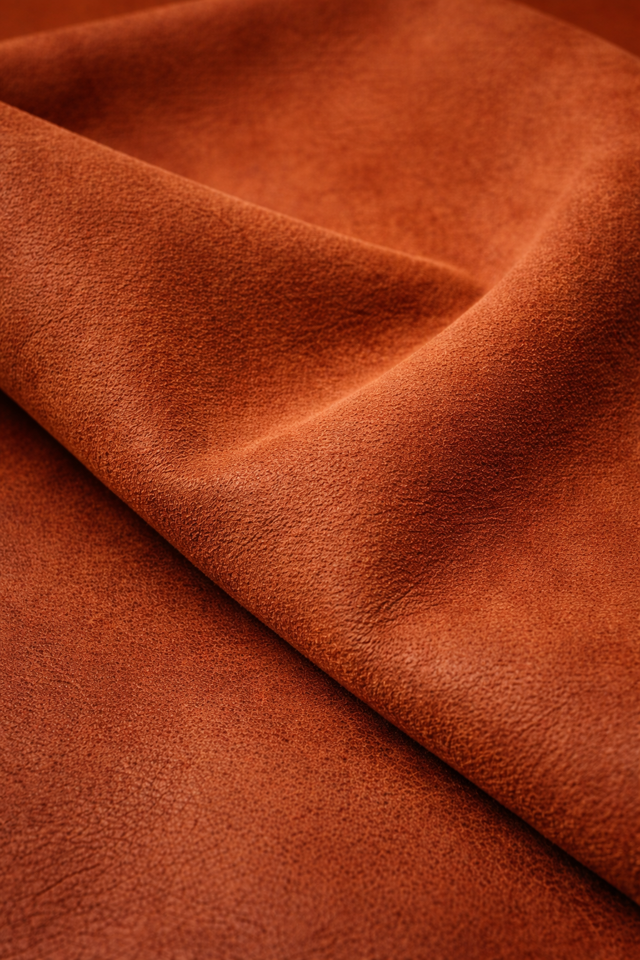
Nubuck
Full- or top-grain leather lightly sanded on the grain side. Retains the grain's strength while gaining a velvety surface — more durable than suede.