The Garments
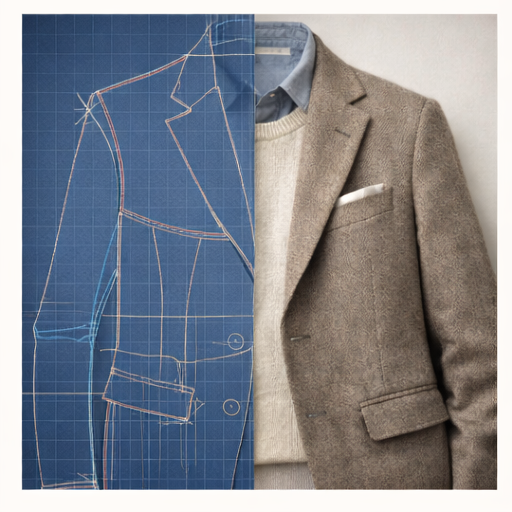
A reference catalogue of the garments that show up across smart
casual and its neighbouring dress codes. Organised by layer:
each page lists the garments in that layer ordered along the
formality axis, with construction details, origins, and notes on
where each piece sits.
Start with Layers if you want
the conceptual model first, or jump straight into a layer if you
know what you're looking for.
- 01 Layers [stub] The layered-dressing model — what each layer does and how they stack.
- 02 Base layer [stub] Tops worn directly on the torso — t-shirts, polos, shirts, henleys.
- 03 Middle layer [stub] Knitwear and warmth — sweaters, cardigans, vests, sweatshirts.
- 04 Outer layer [stub] Jackets and coats — blazers, sport coats, harringtons, bombers, overcoats, trenches.
- 05 Bottom layer [stub] Trousers, jeans, chinos, shorts — what goes below the waist.
- 06 Footwear [stub] Loafers, derbies, oxfords, boots, sneakers — shoes for the smart-casual range.
- 07 Accessories [stub] Belts, watches, ties, scarves, eyewear, bags — the supporting cast.
 LAPEL The Garments