The Cloth
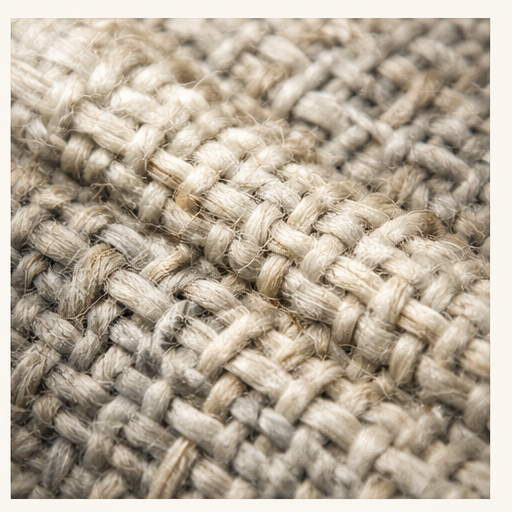
Every garment starts as cloth, and every cloth starts as fibre.
The five pages below trace that path — from raw fibres through
construction methods, named fabrics, adjacent materials, and the
finishes that turn a roll of greige goods into something you'd
actually wear.
Style-agnostic. The chemistry of cotton and the geometry of a
twill weave don't change based on what you're dressing for.
- 01 Fibres [stub] Raw inputs — cotton, wool, linen, silk, polyester, nylon, viscose. Where cloth begins.
- 02 Fabrics [stub] Named cloths — denim, twill, jersey, flannel, oxford. How fibres become recognisable surfaces.
- 03 Materials [stub] Non-textile clothing materials — leather, suede, rubber, hardware. Where fabric stops.
- 04 Construction [stub] How cloth is built — weaving, knitting, felting, non-wovens. The structure under the surface.
- 05 Finishes [stub] Post-treatments — dyeing, washing, mercerising, water-repellent. What turns greige into the bolt you buy.
 LAPEL The Cloth